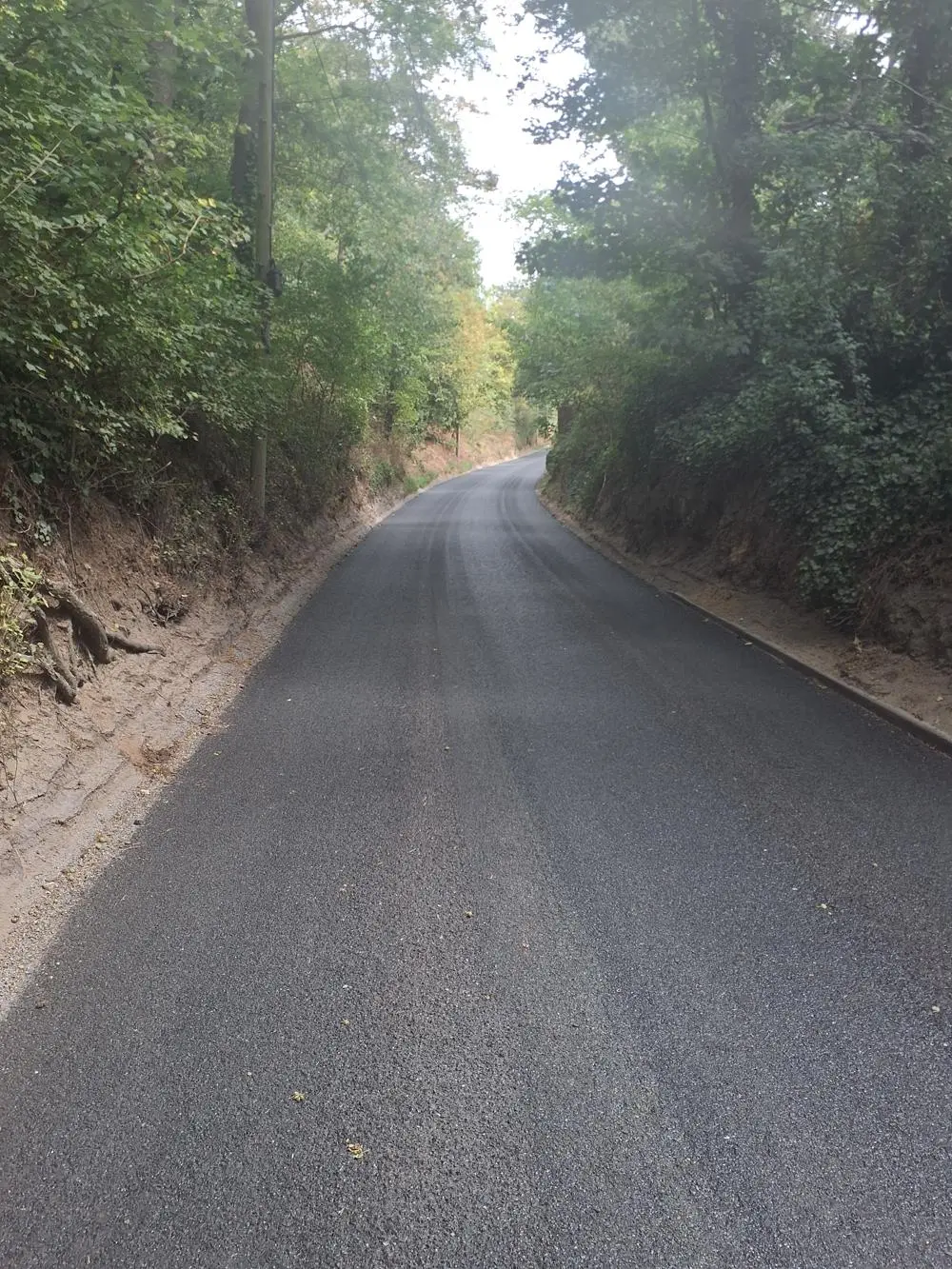
Councillor Christopher Hudson, Suffolk County Council Cabinet Member for Transport and Highways, said: “Our 2026 surface dressing programme has treated over 140 kilometres of roads across Suffolk, helping to protect and extend the life of our highway network.
“This is a significant programme of work, and I would like to thank our highways teams for their hard work throughout the season. Coordinating these works alongside other activity on the road network has presented challenges, and our teams have worked hard to minimise disruption and make the best use of available road space.
“Surface dressing is an important part of our approach to maintaining Suffolk’s roads. It is significantly quicker and more cost-effective than full resurfacing, allowing us to treat more roads while making the best use of public funds.
“By carrying out preventative maintenance before roads deteriorate further, we can help avoid more expensive repairs in the future and keep Suffolk moving.”
The 2026 programme also provided an opportunity to trial new approaches to surface dressing and communicating with road users.
Variable Message Signs (VMS) were used at busier sites to provide advance warning and live information to road users. The trial was successful and will help inform how Suffolk Highways communicates about future works.
A product called Lockchip was also successfully trialled at nine sites across Suffolk. Lockchip is designed to help seal down the newly applied surface and reduce loose chippings following treatment.
Both trials have provided valuable experience and will help Suffolk Highways consider how these approaches can be used in future surface dressing programmes.
The 2026 programme is now complete, with surface dressing having taken place across Suffolk between June and August.