Family Group Conferencing

We are committed to keeping families together through a method called Family Group Conferencing.

"Waiho i te toipoto, kaua i te toiroa" - 'let us keep close together, not far apart'.

- A Māori proverb, or 'whakataukī'.

Suffolk Family Group Conferencing logo

What are Family Group Conferences?

A Family Group Conference (FGC) is a voluntary meeting that brings together children, their family, and people who are important to them. With support from an independent Family Group Conference co‑ordinator, families are given the time and space to talk about what is working well, what worries there may be, and to make their own plan to support the child’s safety, wellbeing, and future.

A child's drawing of a child laying down on some green grass

FGCs originated in New Zealand and are grounded in Māori culture. FGCs are now used in many countries worldwide and make sure that families stay close together in all forms of child welfare.

In Suffolk, we want children to stay connected to their families. Children and families are central to decision-making. We work with their wider family and friends to gain the best outcomes for children.


Having a Family Group Conference

A Family Group Conference is a voluntary process. It starts with all relevant family and friends being invited to take part, if it is safe to do so. If required, advocate support for the child(ren) or adult(s) can be requested.

A Family Group Conference Co-ordinator will contact the family if the referral is accepted.

A Family Group Conference Co-ordinator will contact you if your referral is accepted. They will tell you what the process will look like and if you would like to take part.


How we can help families

This video shows how Family Group Conferences work in Suffolk.

At the Family Group Conference

The meeting has 3 stages.
  1. This is where the FGC co-ordinator welcomes all attending and explains how the meeting will run. They will facilitate introductions to each other. They will ensure the child’s voice is shared if they are not in attendance or do not feel able to. The referrer shares their report during this time, which includes the needs of the child including strengths of the family. The bottom line is shared, and the referrer will answer any questions the family may have before private family time.

  2. This is time where the family are free to develop their plan without any professionals being involved. This allows family to freely express their thoughts and aspirations on how to address the concerns raised. The FGC co-ordinator will ensure this is a safe space to enable the family to be productive in coming up with their own plan to address concerns. This approach fosters deeper connections to decisions and promotes positive change within the family network.

  3. After private family time, the referrer revisits the family plan with the family and friends network, ensuring it is clear, safe, legal and addresses the concerns. Once the family plan is agreed by all in attendance it is distributed after the meeting to all who attended and whoever the family consent to it being shared with.

Before the Family Group Conference

The Family Group Conference Co-ordinator will:

  • Ensure permission is gained from those with parental responsibility.
  • Help the family identify the important people to invite to the meeting. For example, extended family, friends, other important relationships including neighbours and faith groups.
  • Visit all key family and friends in person or contact them, including the children.
  • Explain the FGC process to all those participating.
  • Explore what support may be required including an advocate.
  • Obtain the views of family and friends who are not able to attend.
  • Work together with the family to agree the date, time and venue to hold the meeting. Encourage the children to purchase some light refreshments.

During the Family Group Conference

During the Family Group Conference, the co-ordinator will:

  • Make sure the meeting is safe by agreeing clear ground rules.
  • Ensure the child is comfortable, their voice is ‘heard’ and central to the plan.
  • Ensure that private family time is safe and uninterrupted.
  • Clarify any points that might need further detail.

The family agree how the plan will be monitored and if it will need to be reviewed.

Everyone who attended the meeting will get a copy of the plan. If the family want other people to have a copy of the plan, this can be shared with consent.


After the meeting

The Family Group Conference Co-ordinator will:

  • circulate the plan as agreed at the Family Group Conference within two working days.
  • add the plan onto the child's file.

The referrer will:

  • implement the family plan as agreed at the Family Group Conference.

FGC Suffolk equality and inclusion commitment

Find out more about the Family Group Conferencing equality and inclusion commitment to you.

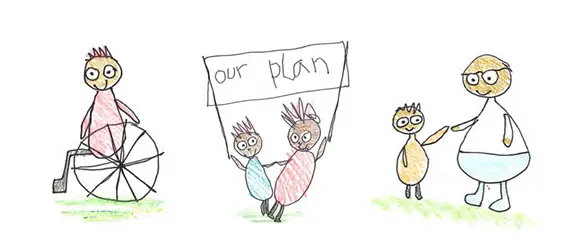
A child's drawing of a group of people playing in a park

Visit the Family Rights Group website for more information on Family Group Conferences.